
Today’s post on the art of bear viewing is brought to you by Stewart’s Photo in Anchorage, Alaska your trusted source for everything photography in the Last Frontier. Whether you’re upgrading gear, printing your favorite wildlife shots, or just need advice from folks who know cameras (and Alaska) inside and out, Stewart’s has you covered. They’ve been helping adventurers, guides, and photographers capture unforgettable Alaskan moments for decades, and we’re thrilled to have them along for this story.
Each summer, the rivers of Bristol Bay, Alaska come alive with one of nature’s greatest spectacles. As millions of salmon surge upstream, brown bears gather along rivers like the Naknek and Brooks, creating extraordinary wildlife viewing and photography opportunities that draw visitors from around the world. At places just minutes from the world-famous Brooks Falls in Katmai National Park, the wildlife feels less like a distant scene and more like an immersive, wild classroom.
But documenting this awe-inspiring drama with a camera requires more than just being present. It demands preparation, patience, and an intimate understanding of both animal behavior and photographic technique.
Anticipation Over Reaction
In bear photography, timing is everything. There’s a simple but humbling truth: if you see the action through the viewfinder, you probably missed it. Bears often give subtle behavioral clues, like a shift in stance or locked gaze, just before they explode into action. Take the time to observe first. Learn how the bear positions itself in the current, how its eyes lock onto a likely strike point, and how its weight subtly shifts before lunging. Only then should you begin hitting the shutter. This anticipation, rather than reaction, is what turns fleeting wildlife action into compelling images.
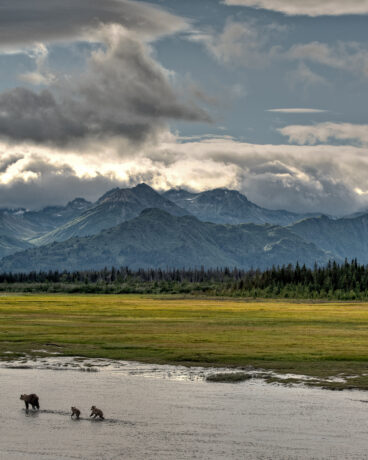
Places like Brooks Falls provide consistent scenes of bears deducing the currents and splashing for salmon, making them ideal for learning patterns over time.
Technical Speed: Settings That Work
Wildlife photography, especially with bears, is all about speed. Bears can appear slow and plodding, yet in the moment of a fish strike, they move like explosions of muscle and water.
Set your camera to rapid burst mode using continuous high-speed shooting so you can capture sequences instead of single frames. Fast shutter speeds are essential:
- Use at least 1/500 second for general bear shots.
- Be prepared to bump up to 1/800 second or more when bears are active.
- To freeze dramatic splashes and airborne salmon, aim for 1/1000 second or faster.
A perfectly timed shot—with droplets frozen in midair—can elevate a photo from merely good to iconic.
Creative Motion: Use an ND Filter
While freezing action is the classic approach, another creative tool can help your images stand apart from the typical salmon-strike shots: the neutral density (ND) filter. By reducing the amount of light entering the lens, an ND filter lets you use slower shutter speeds, even in daylight.
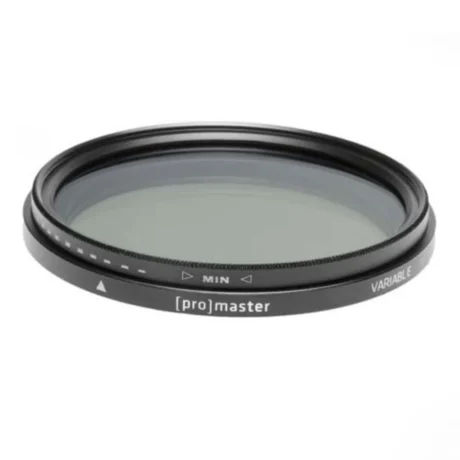
The goal is to find the sweet spot—a moment when the bear is relatively still while the water around it rushes by. With the right exposure, the water blurs into a creamy, “whipped-cream” texture while the bear remains sharp. These artistic images contrast motion and stillness in a way that many photographers overlook, creating shots that feel expressive and distinct.
Autofocus and Lens Choices
For moving subjects like bears, continuous autofocus tracking (AI Servo on Canon, AF-C on Nikon/Sony) is essential to keep subjects sharp throughout a sequence of movement.
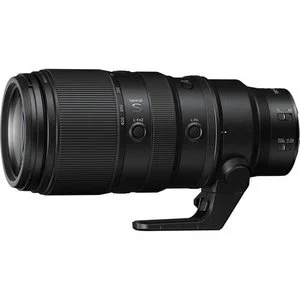
Your choice of lens matters. A telephoto zoom in the 150–600mm range is versatile for wildlife work. It lets you frame intimate portraits from a safe distance without intruding on the animals’ space. A wide maximum aperture (f/4 or wider) helps isolate your subject and perform better in low light.
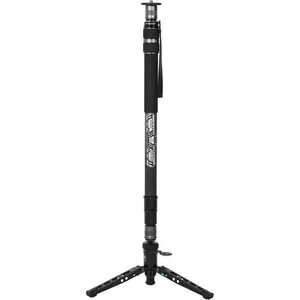
Bring gear to stay stable for long sessions: a sturdy tripod or monopod to support heavy lenses, rain covers for unpredictable Alaskan weather, and extra batteries, since cold, damp conditions drain power faster than you’d expect. Activating a silent shutter mode also helps minimize disturbances in quiet moments.
Perspective and Light
Whenever possible, photograph bears at eye level. Shooting from above often feels detached; lowering your perspective makes images more engaging and immersive. It invites viewers into the bear’s world rather than keeping them at a distance.
Light matters just as much as perspective. Early mornings and late evenings offer warm, golden tones that enhance texture and depth. Even overcast days, with their soft, diffused light, are ideal for portrait work, revealing subtleties in dark fur without harsh shadows.
Beyond the Photograph
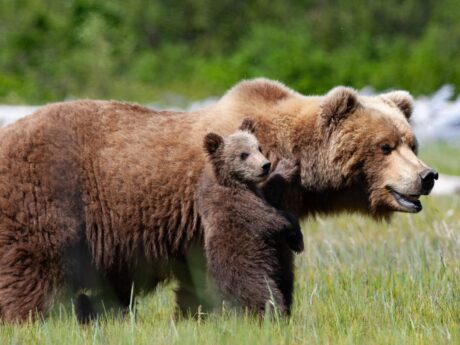
Bear viewing around Bristol Bay is more than a photography trip, it’s a full immersion into wilderness life. Rapids Camp Lodge on the Naknek River, where floatplane flights deliver you to prime viewing areas near Brooks Falls and beyond, is an ideal launching pad for your adventure. Here, you witness bears in authentic, unfiltered behavior: fishing, resting, interacting, and sometimes just wandering along the riverbank as though they own the place, because, in a sense, they do.
The most powerful images come from understanding: understanding the rhythms of the river, the behavior of the bears, and the shifting light across the landscape. Patience, more than any piece of equipment, is often the key to capturing moments that resonate.
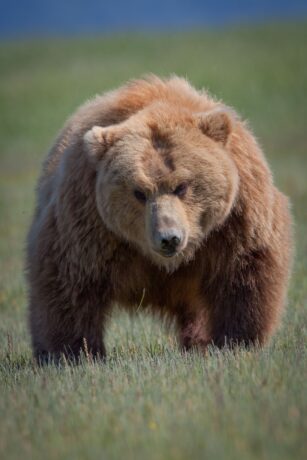
When preparation, observation, and creativity come together, you’ll find more than just technically sharp photos. You’ll capture narratives—moments that reflect the raw strength, serene beauty, and compelling individuality of Alaska’s brown bears in one of the wildest places left on Earth.
Sometimes, nature doesn’t need your narration. It just needs you to show up, get quiet, and let it unfold. Watching a Brooks Falls brown bear swipe 25 pounds of salmon into a single bite-sized snack will humble even the most seasoned shooter behind the lens. As Sean O’Connell said in The Secret Life of Walter Mitty, “Beautiful things don’t ask for attention.” They just are. Brooks Falls is living proof.
So if you’ve ever dreamed of trading your tripod’s city skyline for the soft hum of Alaska’s wild, it’s time. Book a bear-viewing trip to Brooks Falls, where the only thing louder than your camera shutter is the splash of a sockeye in freefall. Bring your curiosity, your camera, and maybe a wide-angle lens—because when the curtain rises on nature’s best show, you’ll want every inch of that frame.
That’s why Rapids Camp Lodge, a quick floatplane hop from the Naknek River, is every photographer’s cheat code. All-inclusive packages mean private guides for the best angles, single-occupancy rooms to edit in peace, chef-prepped meals (and drinks) to fuel the edit binge, and yes, even fly-fishing if your trigger finger needs a break. Book your 2026 bear-viewing trip now via info@deneki.com (“bear viewing” in the subject). Spots vanish faster than a startled cub, so grab your wide-angle; the falls are calling.

Leave a Reply